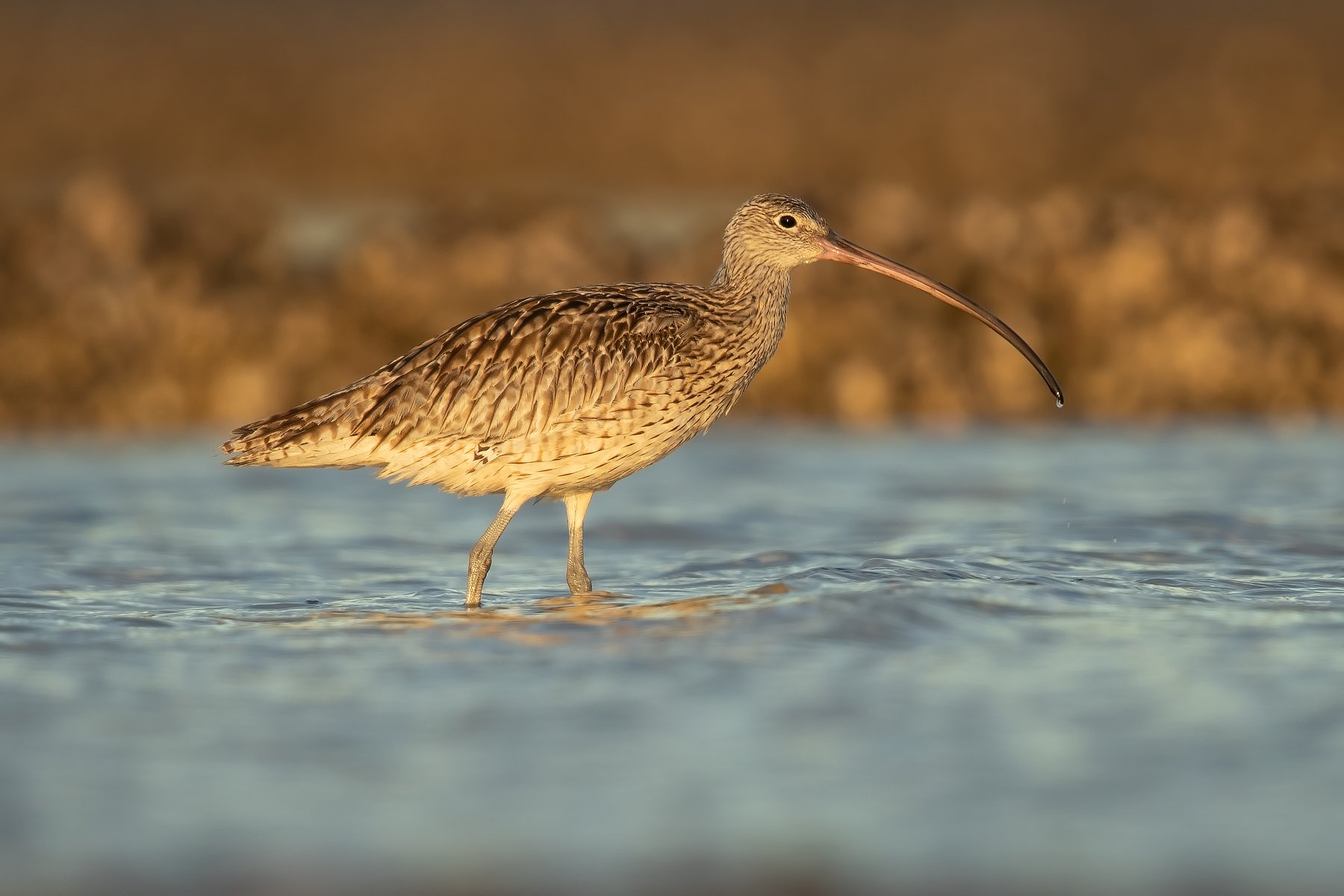
Mapping the Mudflats
Birds roost where conditions take them — on platforms, sandflats, and ad hoc sites that shift with each tide and season. Every site visited, every visit recorded, every disturbance logged — this is how the picture is built.
We know all we need to protect them. We just need to Act.
Birds roost where conditions allow: on constructed platforms, on natural sandflats, and on ad hoc sites wherever tide and pressure take them. Each site type has its own ecology, its own vulnerabilities, and its own relationship to the tidal cycle.
Ad hoc sites are, by nature, informal — birds find them when a primary site is disturbed, flooded, or degraded. Documenting them means being at the right place at a specific tide, with the right tools and protocol.
Every visit
At any roost or foraging site, a Steward is doing several things at once.
They are reading the site — tide height, bird numbers, species composition, roost condition, any sign of disturbance. They are making a record of what they find. And they are interpreting the science for anyone else who is there — making what research tells us about these birds real and present for the family on the foreshore, the dog owner who doesn’t know the flock is counting down to departure, the student who has never looked at a mudflat and seen it as habitat.
That last part is not an optional extra. It is what the training is for. The record is the evidence. The interpretation is what carries conservation science to the people who live alongside these sites.
Those records, season by season, build a continuous picture of how Moreton Bay’s roost network is being used. That picture is available to the land managers, researchers, and conservation bodies whose decisions affect these sites.
It exists only because someone was there, understood what they were looking at, and took the time to explain it.
The ad hoc roost problem
When a primary roost site is disturbed, flooded above usable height, or degraded by weed or access pressure, birds don't simply disappear. They find somewhere else — a patch of exposed rock, a shallow bank, the edge of a boat ramp. These ad hoc roosts are real habitat being used by real birds under pressure.
These sites appear and disappear with conditions — a rock shelf exposed at mid-tide, a gravel bank that emerges at springs. A Steward at the right place at a specific tide may be the first to put a site on the formal record. Each entry adds to the picture of how birds are actually using the bay.
Two instruments. One mission.
The tools are not ends in themselves. They are instruments for building a record that would otherwise not exist. Each one has a specific job in the field, and each record filed makes the next one more valuable.
RMTools
A structured protocol for assessing the condition and management needs of a shorebird roost site. Works across all three site types present on Moreton Bay — constructed platforms, natural sandflats, and ad hoc sites.
The assessment covers tidal height, substrate condition, weed encroachment, access pressure, fencing, disturbance risk and signage. It produces a management record for each visit — a dated, structured entry in the site's history. For an ad hoc site, that first entry is also its birth record.
Shoreline Watch
The longitudinal record of every Steward visit across the network. Species recorded, numbers, tide state, weather, site condition, any events of note. Not a checklist — a field journal with structure, feeding into a shared dataset.
Individual entries are valuable. Accumulated over a season, across multiple Stewards and multiple sites, they become something more: a time-series record of how Moreton Bay's roost network responds to tidal conditions, seasonal patterns and disturbance pressure. That record does not exist yet. It is being built now.
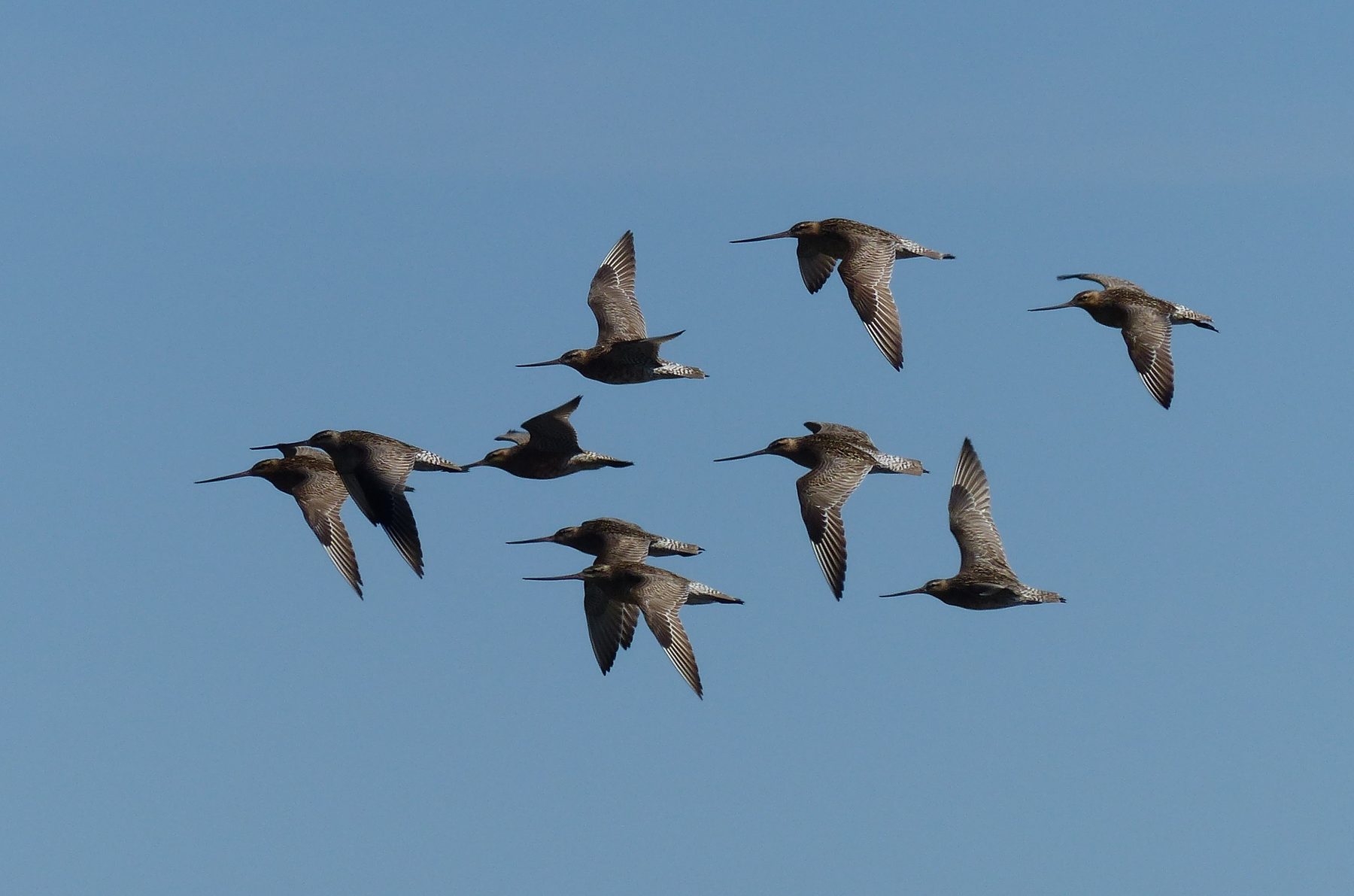
The record grows with every visit
The value of structured field data is cumulative. A single Steward visiting a single site adds one entry to each tool. Ten Stewards, over a full shorebird season, across a dozen sites — that is a dataset. It has scientific weight, value to those responsible for site management, and the standing to speak directly to what is happening at the site.
Adding Pixels to the Picture, visit by visit.
The tools are purpose-built, the training prepares Stewards to use them correctly, and the data goes into a shared record that belongs to the bay — not to any one person or organisation.
What one season produces
This is what 15 trained Stewards, working one season at Moreton Bay, put on the record. Not estimates. Not anecdote. Structured field data — site-assessed, tide-referenced, GPS-anchored — covering species from Bar-tailed Godwit and Red-necked Stint to Far Eastern Curlew, entered into a shared system and available to anyone who needs to know what is happening to shorebirds at this bay.
assessed
audits
surveys
identified
monitored
Stewards
Not enrolled as a Steward? You can still contribute. Become a Shoreline Assessor → — record ad hoc roosts, hardened shorelines, and disturbance events using the same data tools, after a short Gazza-tested qualification.
Two instruments. One install.
RMTools and Shoreline Watch are Progressive Web Apps — they install directly to your phone or tablet home screen from tools.forshorebirds.org. No App Store. No download. Works offline in the field.
How to install
iPhone / iPad (Safari): Open the link → tap Share → "Add to Home Screen"
Android (Chrome): Open the link → tap the menu → "Install App" or "Add to Home Screen"
Steward access required
Both tools require your Steward password. Login to access the install links for RMTools and Shoreline Watch.
Install your field tools
Steward AccessRMTools — Roost Management
Structured site assessment across constructed platforms, natural sandflats, and ad hoc roosts. Password required. One record per visit, syncs to Google Sheets when online.
Shoreline Watch
The longitudinal field record — species, numbers, tide, disturbance events. Open access. Every entry feeds into the shared Moreton Bay dataset.
"We know all we need to protect them. We just need to Act."For Shorebirds · Shorebird Steward Program
Become a Shorebird Steward
The program is open to community groups, educational institutions and individuals. If you want to be the person on the mudflat with the tools and the training to make a difference, this is where you start.