In development · Delivery partners committed · Tools ready · First cohort: August 2026 — register your interest →
Flock of Bar-tailed Godwits in flight over tidal flats


We know all we need to protect them. We just need to Act.

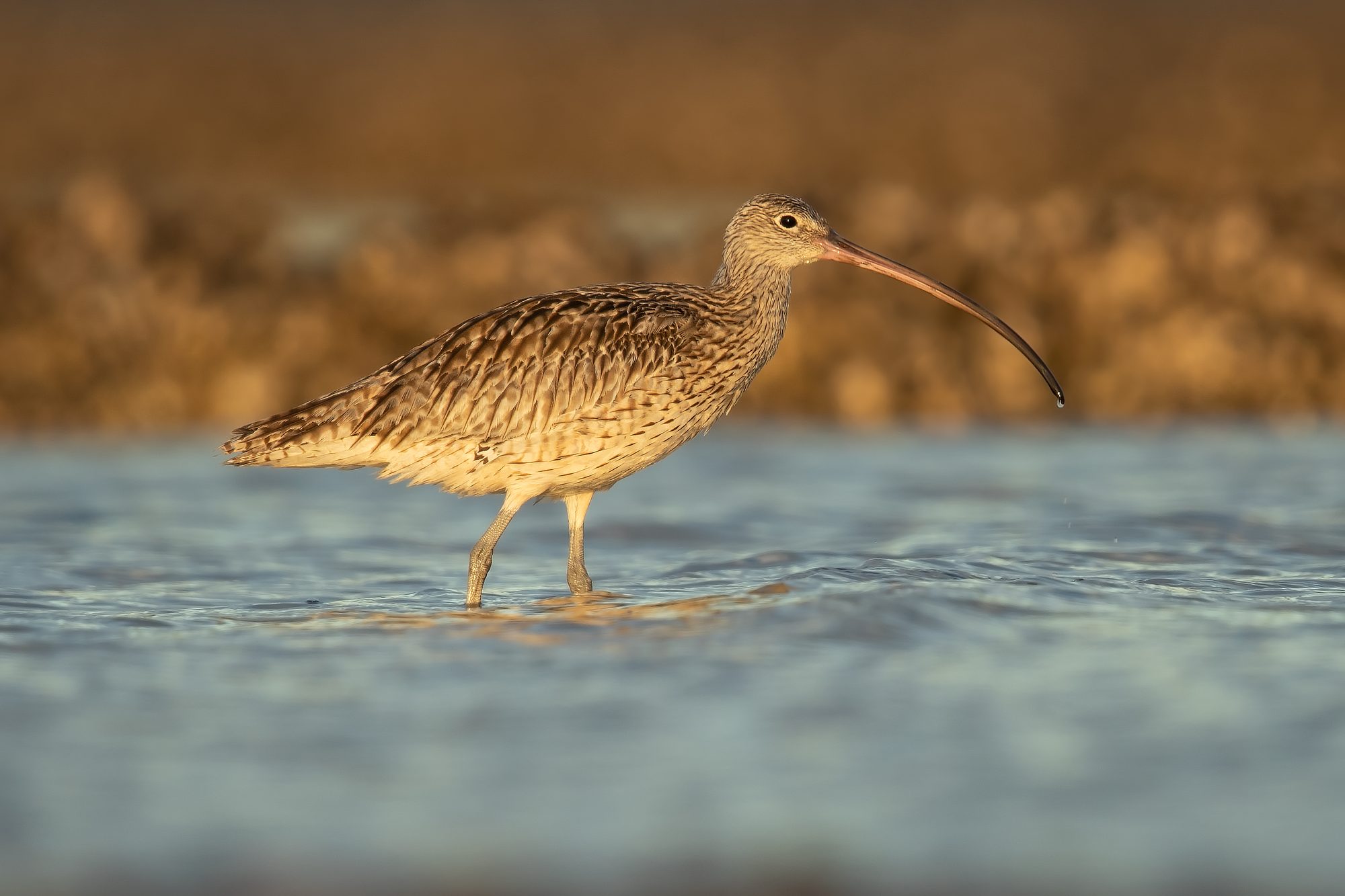
Bar-tailed Godwit flock · Moreton Bay · © JJ Harrison (jjharrison.com.au) / CC BY-SA 4.0

Three duties. One mission.

A Shorebird Steward is present at the site, at the right tide, with the knowledge and tools to carry out three specific duties. This site gives you everything you need to do all three.

1
Observe

Be at the roost at the right tide, with the ecological literacy to read what you see. Species, numbers, behaviour, disturbance pressure, roost condition. The 10-second situational read that begins every field visit.

2
Record

Use the Roost Management Decision Tool and the Shoreline Assessment to produce field records that stand up to scrutiny. Every visit logged, every disturbance event documented, every ad hoc site found — adding pixels to the picture, visit by visit.

3
Interpret

At the site, shape the interaction with whoever is present — the family on the foreshore, the dog walker, the photographer. Draw on the science. Use the Waterline Scripts as a framework. Be the interpreter between the research and the waterline.

The science is established — population data, disturbance findings, staging site ecology, produced by researchers and monitoring organisations across the EAAF for decades. A Shorebird Steward draws on that body of knowledge at every field visit. This site gives it structure and purpose at the site.

Adding Pixels to the Picture

To most people at the waterline, they're brown birds on a mudflat. Unnamed. Uncounted. Easy to walk past.

A Shorebird Steward changes that on two levels. Every field record — roost count, flag read, disturbance note — adds to the citizen science record of this bay. Science built not in laboratories, but at the waterline, by people who keep showing up. And every conversation with a family, a dog walker, a curious stranger, begins a longer journey — from brown birds, to named species, to something a person cares about and might one day act to protect.

That journey has a name. Science to Kin.

Both are pixels. Both count.

Adding Pixels to the Picture, visit by visit.

The tools to carry out the mission.

The three duties need real support. The site provides purpose-built tools, interpretation frameworks, and the scientific background — so you arrive at the site prepared, not guessing.

📋

Roost Management Decision Tool

Structured assessment of roost condition and disturbance risk — constructed, natural, and ad hoc sites. Produces a scientifically defensible record for every visit.

● Steward access
📓

Shoreline Assessment

Longitudinal field records linked to a shared data system. Every visit adds to the picture of roost network use across Moreton Bay. Adding pixels to the picture, visit by visit.

● Steward access
🗣️

Waterline Scripts

Encounter playbooks for public interpretation at the waterline. Differentiated for the family, the dog walker, the photographer, and the curious stranger. Six encounter types, field-tested.

● Steward access
📚

Background Reading

The scientific and ecological foundation behind every field visit — disturbance science, energy budgets, tidal ecology, population dynamics, flyway governance. Organised by course level.

Open access →
🤖

Gazza — AI Tutor

Bar-tailed Godwit. Sixteen Pacific crossings. Available 24 hours, 7 days, across all three course levels. Ask about species, tidal ecology, disturbance science, or the field tools.

● Steward access
🔭

Who's Who on the Mudflats

Species identification reference for Moreton Bay shorebirds — field marks, conservation status, tidal and seasonal behaviour, and key identification notes for each species.

Open access →
Steward Login Register Interest

Delivered in the field, together

The Shorebird Steward Program is delivered in partnership with three organisations whose site access, expertise and community relationships make field training at the bay real. You won't be doing this alone.

JW

Jacobs Well Environmental Education Centre

Queensland's first purpose-built field study centre, operating at Jacobs Well on Moreton Bay's southern shores since 1975. The home base for Steward field days.

Read more →
RE

REF Environmental

Environmental consulting practice with deep expertise in shorebird habitat assessment and management. Brings professional standards and regulatory context to Steward training.

Read more →
BI

BIEPA

Bribie Island Environmental Protection Association Inc. — community-based environmental advocacy for Moreton Bay's northern shores and Pumicestone Passage.

Read more →
Moreton Bay · Now

Loading season context…

Every site on the flyway is a gamble. The losses don’t clear between rounds. A bird that departs Moreton Bay underweight arrives at the Yellow Sea underweight — with less time to refuel before the flight to Alaska. A shortened breeding season produces fewer fledglings. Fewer birds fly south. What a bird builds, or fails to build, at each site is carried forward to the next. The simulator makes that chain visible.

0
Bar-tailed Godwit · baueri population

What happens to this number over 50 years is partly up to the choices you make right now.

The Great Gamble

A flyway survival simulator. Manage a cohort of Bar-tailed Godwits through one complete annual cycle — northbound via the Yellow Sea to Alaska, then non-stop back across the Pacific to Moreton Bay.

Adjust the variables at each stage. Watch the population curve respond. The maths is real. And Gazza tells you how it feels.

Mapping the Mudflats

Birds roost where conditions allow — on constructed platforms, on natural sandflats, and on ad hoc sites wherever tide and pressure take them. Stewards visit these sites, read what they find, and put it on the record. They come with their own knowledge, skills, and fields of experience — the program gives that a structure and a purpose at the site.

Every visit recorded, every new site found, every disturbance event logged builds a site-by-site record of roost condition, disturbance events, and ad hoc roost sites across Moreton Bay.

Roost Management Decision Tool Shoreline Assessment

Adding Pixels to the Picture, visit by visit.

About the Field Program
MANGROVES INTERTIDAL MUDFLAT TIDAL WATER

Three levels. One standard.

The program moves from the basics of shorebird ecology and site assessment through to independent field leadership. All course content is delivered in digital form, supported by the AI Tutor and mandatory field experience delivered through our partners.

L1
Making Landfall
The shorebird, the flyway, and the bay

Introduction to migratory shorebird ecology, Moreton Bay as EAAF habitat, and the Steward role.

  • The East Asian–Australasian Flyway
  • Who's who on the mudflats
  • Tidal ecology and roost dynamics
  • Introduction to site assessment
● Steward access Login to Access
L2
Feeding Up
Building the science, reading the site

Deeper field skills — roost condition assessment, disturbance risk, energy budget science.

  • Using the Roost Management Decision Tool
  • FID, amygdala and disturbance science
  • Energy budgets and departure weight
  • Recording and reporting field data
● Steward access Login to Access
L3
Top Flight
Field leadership and site advocacy

Independent site leadership, community engagement, and contributing to the broader field network.

  • Site documentation and reporting
  • Engaging land managers and site authorities
  • Waterline Scripts — public interpretation
  • Contributing to Mapping the Mudflats
● Steward access Login to Access
All course materials are delivered in digital form. Enrolled Stewards access course documents, Waterline Scripts, training charts and tool tutorials through the Steward portal. Field experience is delivered in partnership with Jacobs Well EEC, REF Environmental and BIEPA.

Access the tools — and start adding pixels.

These tools are for people already working with shorebirds in the field — assessing roost sites, recording disturbance, and building a shared picture of roost network use across Moreton Bay. If you're just starting out, begin at Level 1 and come back once you've had a session on the ground.

📋

Roost Management Decision Tool

Structured assessment of roost condition and disturbance risk. Covers constructed, natural and ad hoc sites. Produces a management record for each visit.

Steward access required
📓

Shoreline Assessment

Longitudinal field records linked to a shared data system. Every visit logged contributes to a growing picture of roost network use across Moreton Bay.

Steward access required
How the Tools Fit the Mission Steward Login

Meet Gazza

Gazza is a Bar-tailed Godwit with sixteen Pacific crossings behind him. He knows every leg of the flyway — the Yellow Sea mudflats, the Alaskan breeding grounds, the nine-day non-stop crossing with nothing below but ocean.

As the program's AI Tutor, Gazza supports enrolled Stewards through all three course levels — answering questions on species identification, tidal ecology, disturbance science, the field tools, and the science behind the flyway. He gives straight answers. If he doesn't know, he says so.

The AI Tutor is not a chatbot performing a conservation persona. It is a structured educational tool — trained on the program's science, calibrated to the course levels, and available to Stewards at any hour of the day or night when a question won't wait.

● Steward Login to Access Gazza
Gazza — Bar-tailed Godwit
Gazza
Bar-tailed Godwit · AI Tutor · L1–L3

"Sixteen Pacific crossings. I know what the Yellow Sea looked like before Saemangeum, and I know what it looks like now. Ask me anything about the birds, the bay, or the science. I'll give you an answer."

Covers
L1 · L2 · L3 course content
Available
24 hours · 7 days
Topics
Species · Field tools · Ecology
Access
● Enrolled Stewards only

Powered by Claude (Anthropic). Responses may contain errors — always verify with your course materials. The AI Tutor complements, not replaces, the course structure.

Moreton Bay — This Season

Adding Pixels to the Picture, visit by visit.

⚠️
Sample data — not from actual field visits These are plausible illustrative entries that demonstrate the program’s potential. They do not represent records from actual Shorebird Steward field visits. The Steward’s role is to observe, document, and interpret — not to manage. Management of shorebird habitat remains the responsibility of local, state, and federal authorities.

Fifteen Stewards. Eight sites across the bay. One season, September to April. This is what Shorebird Stewards found — recorded at the waterline, tide by tide, visit by visit.

15 Active Stewards
8 Sites monitored
Sept–Apr Season
Site health · assessed roost visits ■ GREEN ■ AMBER ■ RED
Kakadu Beach
8 visits
Boondall North
9 visits
Wynnum Foreshore
6 · no RED
Lota Creek
6 visits
Manly Harbour
6 visits
St Helena Is.
5 visits
Redcliffe Pt
5 visits
Mud Island
3 visits
Season verdict · 48 assessed roost visits · conservation-status weighted
GREEN 22
AMBER 16
RED 10
★ B6 — Flag read · Kakadu Beach

Bar-tailed Godwit. Record non-stop flight: 13,560 km, Alaska to the Tasman Sea, 11 days 1 hour. Read four times at Kakadu Beach this season by Stewards scanning leg flags at the waterline. One of 12 flagged individuals identified across the bay.

Moreton Bay — This Season →
"We know all we need to protect them. We just need to Act."
For Shorebirds · Shorebird Steward Program

Ready to become a Shorebird Steward?

The program is open to community groups, educational institutions and individuals. Course materials are digital. Field experience is delivered through our partners at the bay.

Conversations With Birds