First cohort planning · Late June / July 2026
Register

Register your interest.

Two minutes. You'll hear back from us about the next cohort. You can enrol fully when you're ready.

What is a Shorebird Steward?

A Shorebird Steward learns to read the site the way the birds do.

The work is to be at the waterline, paying attention. Reading the bird — species, condition, behaviour, the read flag on the tibia. Reading the site — the tide, the disturbance pressure, what's working at the roost and what isn't. Reading the encounter — who's there, what they're being told, how the information lands. A Steward keeps a record of all three.

Some Stewards will also interpret at the waterline — telling the story of the science and the wonder of it to whoever is there. That's one expression of the role, not a requirement. Preference and disposition are not a barrier, and not every Steward needs to be comfortable with strangers. The work begins with reading.

The records a Steward keeps are citizen-science grade. They join the longitudinal Moreton Bay shorebird dataset and are visible to anyone — partners, council, members of the public — via the FSB dashboard. Anyone driven enough to keep showing up can do this work.

The course is self-directed — you work through the material at your own pace. The three delivery partners (Jacobs Well EEC, REF Environmental, BIEPA) facilitate that learning rather than instruct it.

The three field activities — ShorelineWatch, FlagWatch and DuskWatch — train the reading and collect the records.

A presence at the waterline.

The program asks one thing above all else: that you show up at the site, at the right tide, and pay attention. Everything else follows from that act: the science, the tools, the conversation at the waterline.
📍
You bring yourself to the bay Kakadu Beach, Toorbul, or another Moreton Bay site. High tide. One to two hours. The birds are there, you just need to be there too.
🗣
You talk to whoever is there The Waterline Scripts give you six frameworks for interpretation at the site. The science becomes a story in front of you, and the person standing next to you is part of that.
📱
ShorelineWatch on your phone Installed before you leave. Five minutes to file a record. Works offline. Each entry joins the longitudinal City of Moreton Bay dataset and contributes to the evidence base.
🏕
Two-day field camp, timed to the birds Jacobs Well EEC. Research vessel, field sites, supervised field practice with the delivery partner. No test. Held close to the September arrival of the first migrants, so you're field-ready when they land.
You work at your own pace. There is no fixed schedule for the learning. Ad hoc group sessions are held at Kakadu Beach, The Hub (REF Environmental), and Jacobs Well EEC, you'll be advised when these occur. If you join after the field camp, your work with Gazza begins immediately and you have full course access from day one.
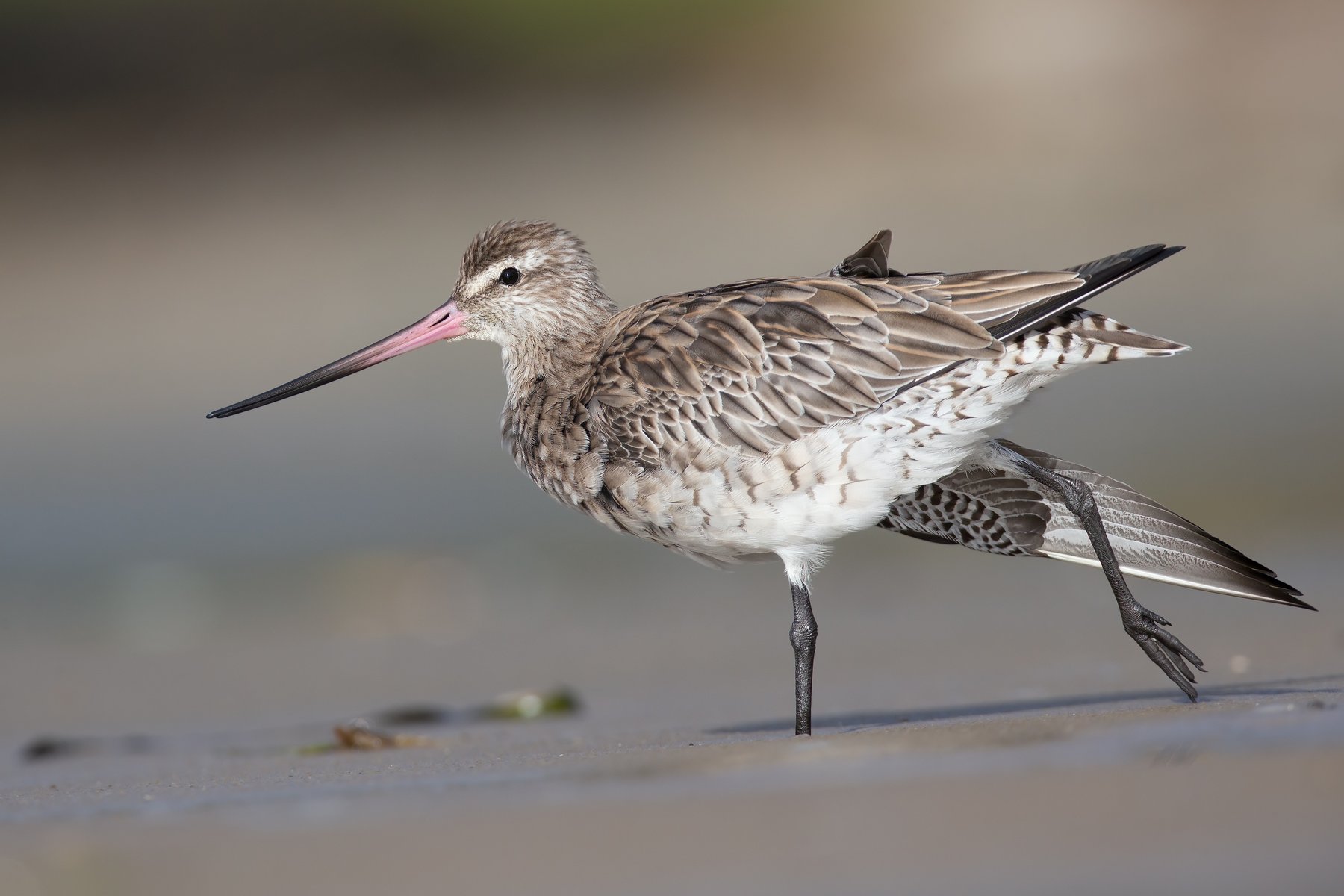
Gazza · Bar-tailed Godwit
A word from Gazza

"Before you start, I'll interview you, ten questions about what you know, what draws you to the bay, where you want to go. From that conversation I'll produce your personal lesson plan. Your entry point is yours. No two are the same."

Not ready to register yet? Spend ten minutes with Gazza first →
The public chat is open now. Most people who talk to him register.
1
Confirmation email You're on the list. Acknowledgement arrives within minutes.
2
Program updates as the first cohort takes shape Field camp dates, delivery partner details, cohort timeline. Only what matters.
3
Enrolment link when the first cohort opens A$95. Full access. Gazza interview and your personal lesson plan from day one.
4
Talk to Gazza before then if you want The Introducing Gazza public chat is open now. Ten minutes. No enrolment required.

Register interest

No payment. No commitment.
Just your name on the list.

Used only for program communications. Never shared.
Helps match you with the right delivery partner and field site.

Details held by For Shorebirds · used only for program communications · Privacy statement