Three delivery partners engaged. Course materials and tools are ready. Planning with Jacobs Well EEC, REF Environmental and BIEPA is underway, first cohort target: Late June / July 2026, ahead of the September migratory return.
Register interest →For or about?
The distinction is one of posture. The “about” work is the foundation, population data, disturbance science, flyway ecology, species accounts: produced by researchers, monitoring programs, and conservation organisations working across the flyway. A Steward draws on that body of knowledge at every visit.
A Steward takes that science to the site and uses it. What that means in practice: being able to tell a visitor what's happening at the roost — where the birds came from, why they're here, what disturbs them.
For the birds
The Shorebird Steward’s position, interpreting conservation science at the site.
- Interpreting conservation science for whoever is at the site, the family on the foreshore, the dog walker
- At the site, at the right tide, with the tools and the knowledge to read what they see
- Recording what is actually happening, not what should be
- Documenting disturbance events as they occur
- Documenting ad hoc sites as they are discovered
- Building an evidence base that can support management decisions
- Speaking from the record
The foundation
The “about” work, essential, and what Steward training is built on.
- Population data and trend analysis from AWSG, QWSG, BirdLife Australia
- Disturbance science and FID research from field studies across the flyway
- Flyway ecology and staging site science from the EAAF Partnership
- Species accounts, identification data, and conservation status assessments
- Long-term monitoring programs tracking change at the flyway scale
- The science of tidal ecology, energy budgets, and shorebird behaviour
Rooted in 1975
This program’s approach has its foundation in 1975, when Borys Daniljchenko helped establish Queensland's first purpose-built field study centre at Jacobs Well, the same site that is now a delivery partner for the Shorebird Steward Program.
That centre was built on a conviction that still drives this work: that direct field experience, in the right place, with the right framing, changes how people relate to the natural world in ways that classroom learning cannot replicate.
For Shorebirds applies that conviction to the decline of migratory shorebird populations at critical staging and non-breeding sites. Moreton Bay among them.
Queensland's first purpose-built field study centre. Now a delivery partner for the Shorebird Steward Program.
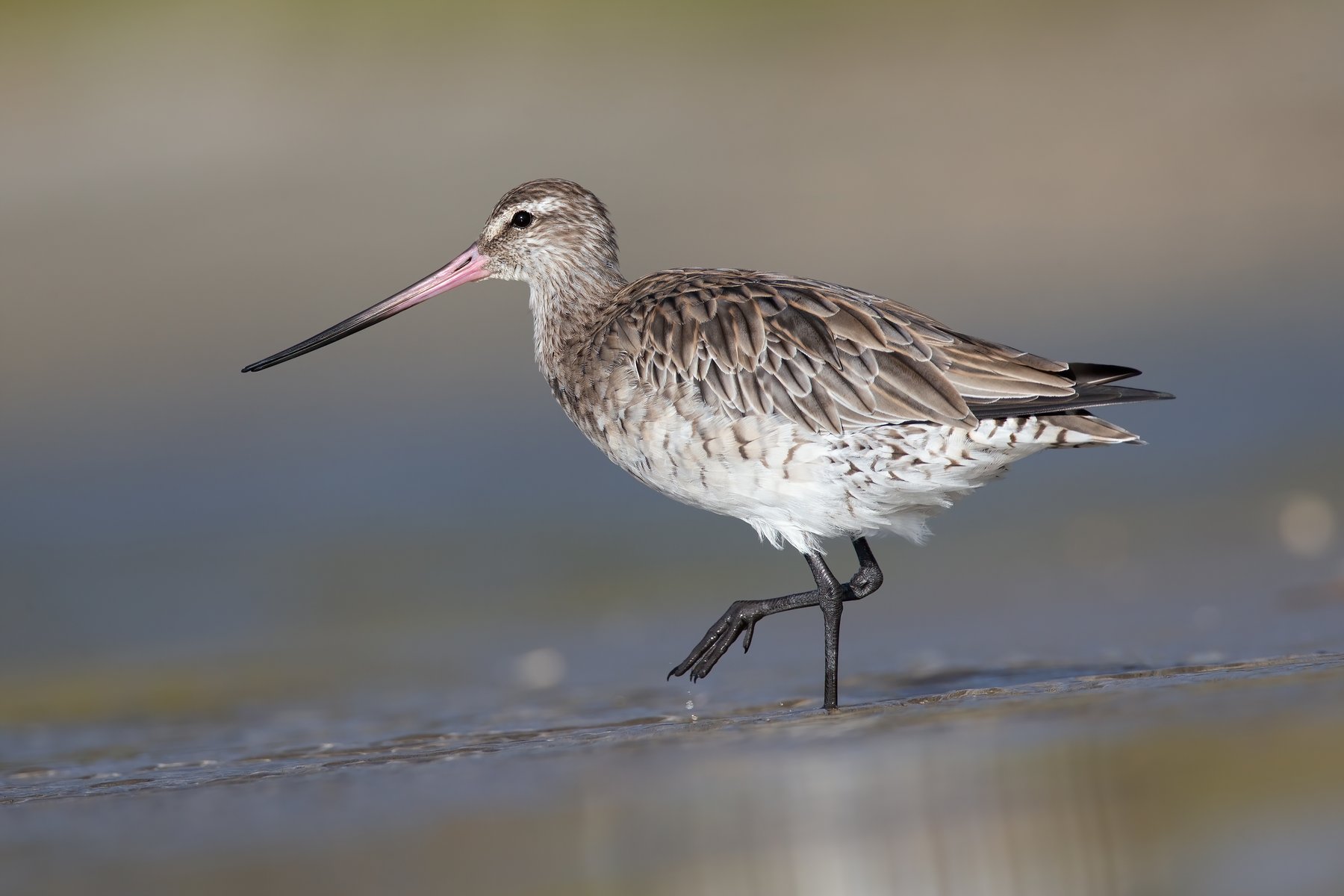
The field site. Internationally significant shorebird habitat. Flyway staging area for species including Bar-tailed Godwit, Far Eastern Curlew and Red-necked Stint.
East Asian–Australasian Flyway. 50 million+ birds. 22 countries. One of the world's great migratory routes, and one of the most threatened.
"We know all we need to protect them. We just need to Act."For Shorebirds · Shorebird Steward Program
Beyond the Steward Course
The Steward Course is one pathway. There are others that contribute to the same body of evidence and to the same flyway. None of them require enrolment with For Shorebirds.
QWSG counts
Queensland Wader Study Group counts at Moreton Bay several times a year. No course required. Records feed a 30-year dataset.
eBird
The Cornell Lab’s global bird-observation database. Any sighting at a Moreton Bay site feeds flyway-scale assessments. Free, no enrolment.
ShorelineWatch, casual use
ShorelineWatch can be used by anyone who reaches out via the contact form. A fuller Contributor tier is under development.
BirdLife Australia · Birds Queensland
BirdLife Australia’s Shorebirds 2020 program and Birds Queensland’s field activities are parallel pathways into Australian bird conservation.
How to take part
There are two ways in. The Shorebird Steward Course is open to community groups, educational institutions and individuals; all course materials are delivered digitally, with field experience at the bay through our partners. The Field Observer Network is open to anyone who wants to record what they see at the bay, no course required.