Two minutes with Gazza
Read each card. We'll test the bits that matter most.
G'day. Quick brief, four cards. Don't skim — number three is the one most folks get wrong.
If anything feels off, just back out and try again. There's no rush.
Bring binoculars or a scope
This is the one piece of kit that makes everything else possible. Without binoculars, you'll either see nothing useful, or you'll get too close trying.
Any decent pair of binoculars works — 8×42 or 10×42 is the sweet spot. A spotting scope on a tripod is even better for distant flocks. A camera zoom can substitute in a pinch.
Stay back — let the birds carry on
The right distance is the one where the birds keep doing what they were doing — feeding, walking, preening, dozing. They're not paying attention to you. That's the goal.
If they stop and look at you with their heads up, back off slowly. If they fly, you were already too close. Use the binoculars to bring the birds closer, not your feet.
Look carefully — describe what you see
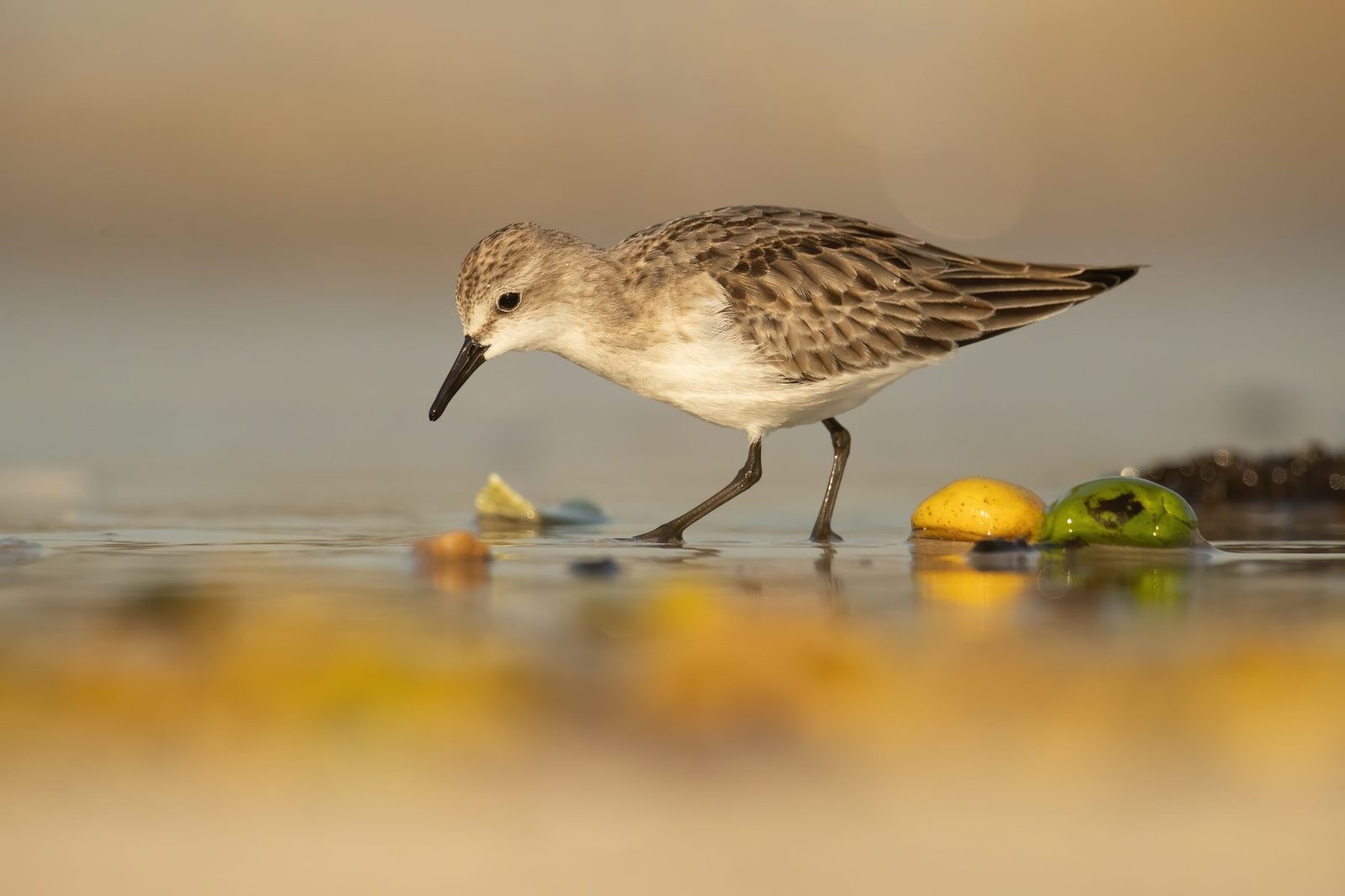
You don't need to name the birds to be useful. Just describe what you see. Bills tell you a lot:
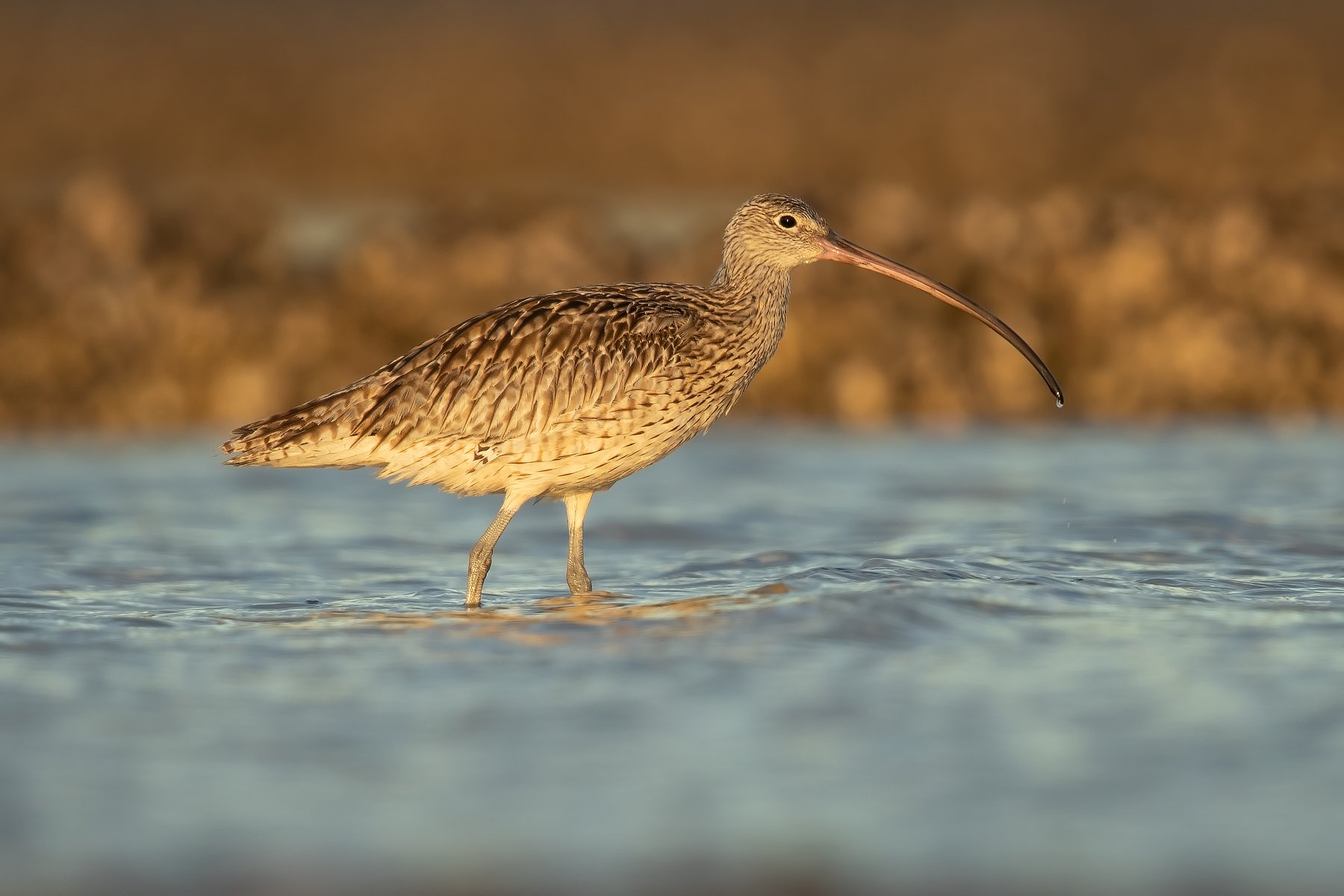
curved
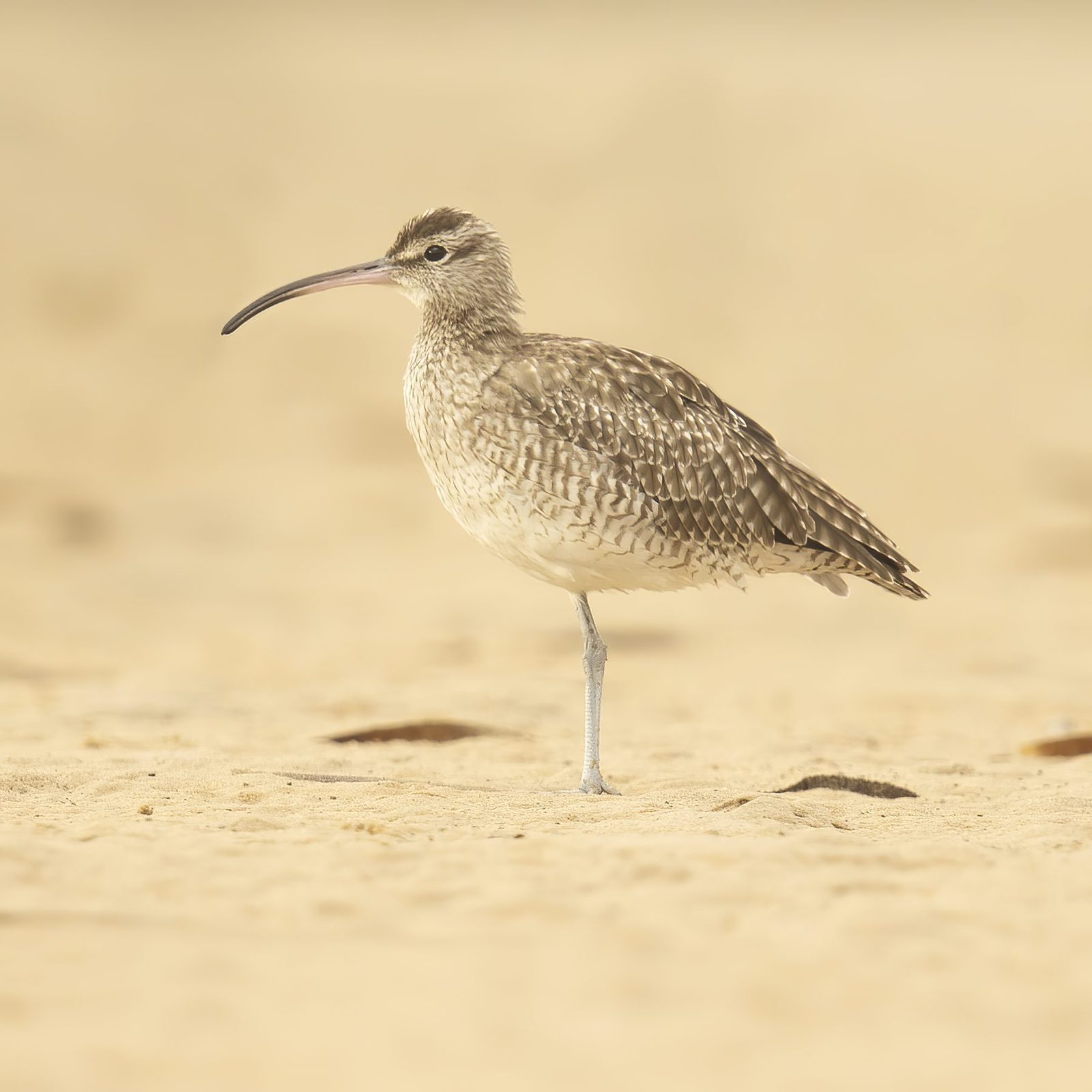
curved
(shorter)
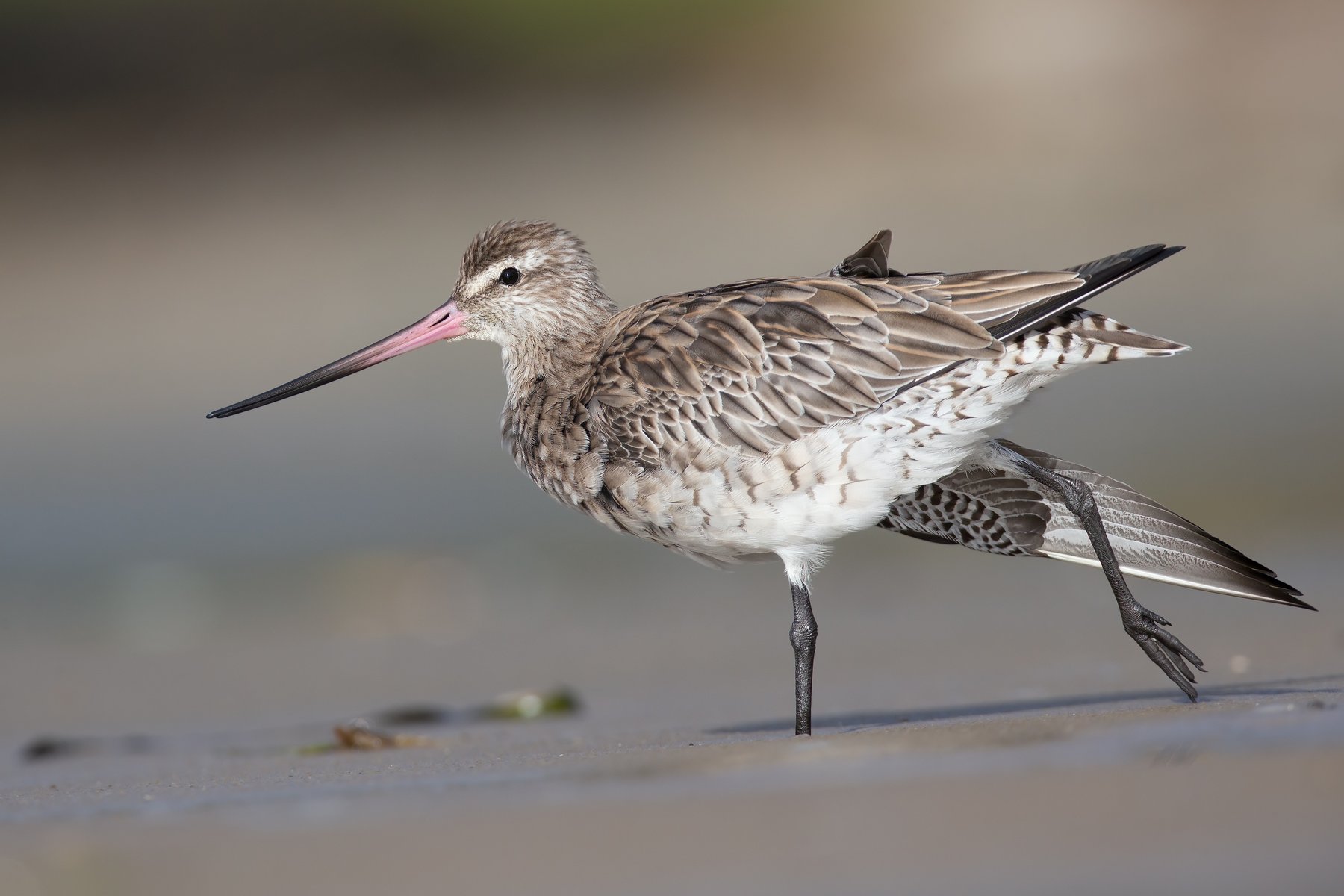
straight
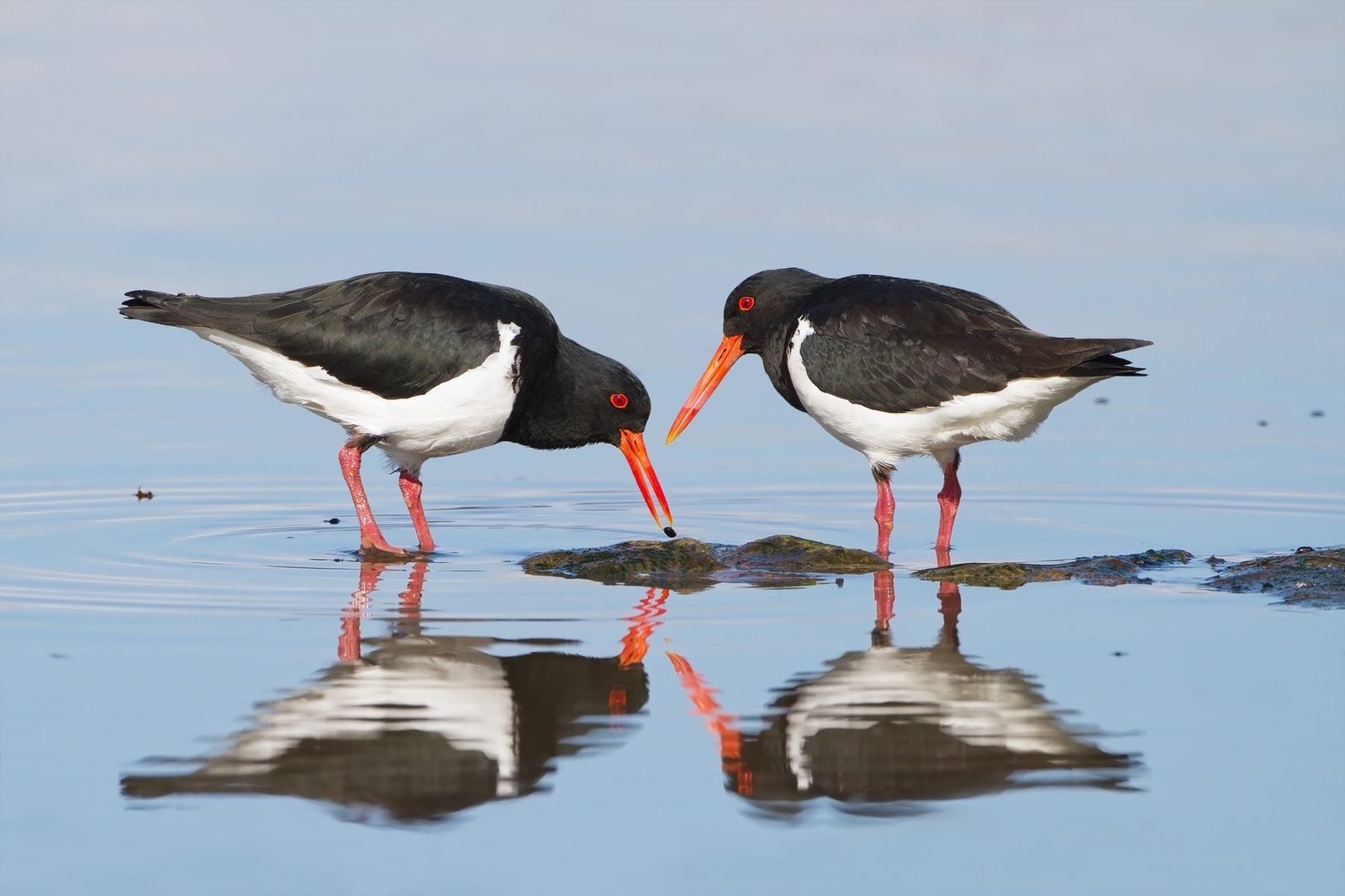
straight
& fine
curved
up-curve
straight
orange
"Brown bird, long bill curving down, probing in mud" is more useful than a wrong species name. Note size, leg colour, what the bird's doing.
What never to do
Don't approach to ID. If 75 m isn't close enough to be sure of a species, log it as unidentified.
Don't share precise locations on social media. Sensitive sites get loved to death.
Don't bring a dog onto a flat where birds are roosting. Leashed or not.